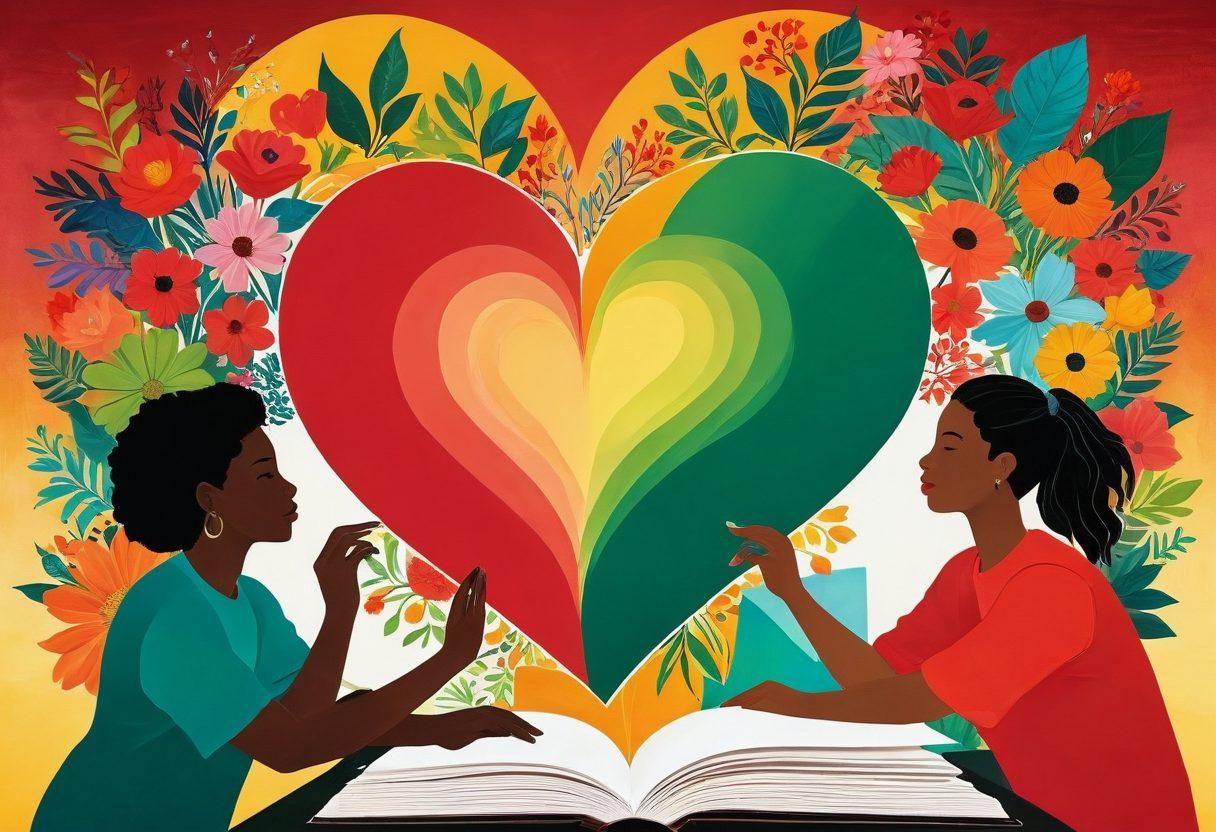
Nurturing Love: A Scholarly Approach to Romance and Relationships in Education
In the world of education, love and affection are often overlooked in favor of academic rigor and structured curricula. Yet, isn't the journey of learning intertwined with the emotional bonds we form with our teachers, peers, and even the subject matter itself? Imagine walking into a classroom where passion for learning radiates from every corner, where students and teachers share a mutual devotion to the enlightenment of the mind and spirit. This blog takes a closer look at fostering affection within educational frameworks, and why it matters just as much as the hard facts in a scholarly context.
Affection in education might sound like an unorthodox idea, but it is rooted in the basic human experience. Think about your favorite teacher or a mentor who ignited your passion for a subject. What did they do differently? It's likely that they exhibited genuine care and perhaps even a bit of romance in the pedagogical sense - a love for teaching that inspired you to dive deeper into your learning. Engaging with love in the classroom can create a conducive environment where students feel valued, which can lead to a stronger relationship between teacher and learner, enhancing the development of knowledge.
When we think of affection, we immediately picture the warmth of romantic relationships, yet this same passion can be seamlessly integrated into our schooling system. A curriculum that includes emotional intelligence training can sculpt not only knowledgeable students but emotionally aware individuals prepared to navigate a complex world. By blending scholarly pursuits with affection, education can evolve from mere information dissemination to fostering meaningful connections. Can you visualize a classroom where gratitude, respect, and a sense of belonging are cornerstones of learning? How wonderful that would be!
To achieve this transformation, educational institutes must rethink their approach to pedagogy. Incorporating courses on interpersonal skills, empathy, and community building into the existing curriculum can pave the way for deeper connections among students. Schools could organize workshops focused on enhancing collaboration, where students engage in team-building exercises that teach the importance of devotion and respect in relationships. Just imagine the kind of leaders that could emerge from a system that prioritizes emotional well-being alongside academic achievement!
Fostering affection in educational settings is not simply a whimsical idea; it is a call to action. Whether you're a teacher looking to ignite passion within your classroom or a student aspiring to create a culture of love and understanding among peers, every action counts. Take that first step—reach out, open your heart, and be devoted not just to learning, but to forming bonds that enrich your educational journey. What legacy will you create in your academic life today? Let's make our educational experiences as much about relationships as they are about knowledge.
Romance in the Classroom: Cultivating Passionate Relationships for Enhanced Learning
In the realm of education, we often think of classrooms being filled with students pouring over textbooks and teachers imparting knowledge. But what if I told you that romance in the classroom, when approached with affection and passion, could transform these spaces into thriving hubs of enhanced learning? Imagine a space where devotion between students and teachers cultivates not just academic achievement, but a deeper connection that encourages enlightenment and personal growth. This isn't just a whimsical notion; it's a scholarly approach to romance that can fundamentally alter the educational experience. Let's explore how fostering these passionate relationships can redefine pedagogy and improve the landscape of our institutes.
Picture this: a student walking into the classroom, not just to learn, but to connect— with their teacher, their peers, and perhaps even a subject they once found mundane. Classroom relationships rooted in affection can ignite a fire of enthusiasm within students, transforming their learning experience from a chore into a passionate endeavor. When educators embrace love as part of the curriculum, they create environments where students feel valued and seen. It's a simple thought—when people care about each other, they naturally want to uplift one another. Isn't that the kind of environment we strive for in our academies?
When considering the role of romance in educational settings, it’s essential to note that this doesn't imply inappropriate relationships; rather, it emphasizes nurturing a camaraderie based on mutual respect and admiration. Relationships flourishing on such principles serve as powerful catalysts in the classroom. Teachers who invest in their students, displaying devotion beyond the standard 'teacher-student' dynamic, open themselves up to a rich exchange of knowledge and ideas. This relationship development often results in more engaged students who eagerly participate in discussions and projects, thus cementing their learning in a meaningful way. What would our classrooms look like if we prioritized these connections?
The impact of passionate relationships isn't confined to a single classroom; it resonates throughout the entire schooling experience. When students feel affection from their educators and peers, they are more likely to embrace collaboration—sharing ideas, nurturing each other’s development, and collectively pursuing knowledge. Such relationships can lead to an atmosphere that encourages diverse perspectives and innovative thinking, further enhancing the curriculum's richness. How can we, as educators and students alike, foster this culture of support and understanding in our classrooms and beyond?
In conclusion, romance in the classroom is far from a taboo subject. It's an essential aspect that can greatly enhance learning—turning traditional education into a vibrant pursuit of passion and enlightenment. By cultivating these relationships founded on affection, students and teachers can create a more engaging and dynamic environment. As we move forward in reshaping our pedagogical techniques, let us embrace love in all its forms and allow it to illuminate the path of knowledge, ensuring that education becomes not just a process, but a heartfelt journey of growth and connection. Are we ready to make love a priority in our educational spaces?
Devotion to Development: A Scholarly Exploration of Love and Learning Dynamics
Devotion to development is a phrase that resonates deeply within the corridors of educational institutions, where every teacher and student are engaged in a dance of affection, knowledge, and enlightenment. Imagine a classroom not as a mere setting for teaching but as a nurturing ground for romance – both intellectual and emotional. As we explore the dynamics of love and learning, we start to uncover how devotion shapes relationships between students and their educators, transforming the traditional academy into a vibrant community of passionate learners. What if I told you that the key to unlocking this relationship lies in understanding the essence of affection?
In the heart of each classroom rests more than just desks and textbooks; there thrives a passionate commitment to development. Teachers, who we often regard as mere dispensers of knowledge, display a profound romance with their craft. Their devotion is akin to a gardener tending to delicate flowers—a nurturing spirit that cultivates the intellectual passions of their students. Consider how a teacher's investment not only enriches the curriculum but also shapes the personal and communal development of their students. How many of us can recall a particularly devoted teacher who ignited our own passion for learning?
The relationship between affection and education is not merely abstract—it is the foundation upon which effective pedagogy is built. When teachers and students engage with one another on a deeper level, learning becomes an interactive and compelling journey. Do you remember the excitement of being involved in a collaborative project that sparked your interest? That’s the magic of devotion at work. It transforms the mundane into the extraordinary, creating an environment where knowledge is not just acquired but passionately sought after. The vibrancy of this interaction turns schooling into a meaningful experience of shared discovery. Isn’t it remarkable how devotion can redefine our educational encounters?
However, it's crucial to highlight the balance within this dynamic relationship. An atmosphere steeped in romance and affection can lead to deep connections, but it must be grounded in professional boundaries and mutual respect. The classroom should be a sanctuary for learning, where passion fuels curiosity without overshadowing the values of commitment and integrity. So, storytellers and educators alike must navigate this complex terrain. What happens when devotion becomes overwhelming? Does it inspire or inhibit? Such questions may lead us to redefine how we view relationships within the educational landscape.
In conclusion, nurturing love through devotion to development in our educational systems isn't just beneficial; it's essential for holistic growth. Love and learning are intricately intertwined, each fostering and enhancing the other—much like the symbiotic relationship between a student and a teacher. As we emphasize the importance of affection in creating dynamic educational experiences, we must not forget to empower both parties in this journey. What changes might occur if every institution regarded affection and passion as crucial elements of their training curriculum? The possibilities are infinite and the potential for enlightenment, boundless.